When winter weather hits Mahoning Valley, the right tires can mean the difference between confident driving and gripping the steering wheel in terror on icy roads. Your Honda handles tough conditions well, but winter tires for Honda vehicles push that capability even further. Whether you’re navigating Boardman during a November blizzard or dealing with slick roads after an ice storm, knowing your winter tire options helps you make informed choices about safety and performance.
Why Winter Tires Matter for Honda Vehicles in Mahoning Valley
Understanding Mahoning Valley Winter Conditions
Mahoning Valley winters throw curveballs that challenge every driver on the road. From December through March, temperatures regularly plunge below freezing, turning roads treacherous when snow, sleet, and ice take over. The National Weather Service reports that Youngstown sees 67.8 inches of snow each year on average, with regional temperatures hovering around 47.6°F annually. Lake effect patterns bring sudden shifts that catch drivers completely unprepared.
Standard equipment just can’t handle this reality. Your Honda’s factory all-season tires perform decently in moderate conditions, but they weren’t built for the relentless cold that defines northeastern Ohio winters. When you’re trying to stop on black ice or get moving through fresh powder during your morning drive, the gap between decent traction and excellent grip becomes absolutely crucial.
How Winter Tires Differ from All-Season Tires
Here’s the core difference in the winter tires vs all-season debate: temperature performance. All-season tires rely on harder rubber compounds that balance year-round durability with reasonable grip across different conditions. These compounds harden below 45°F, which kills traction right when you need it most. Winter tires use softer, more flexible compounds that stay grippy even in bitter cold.
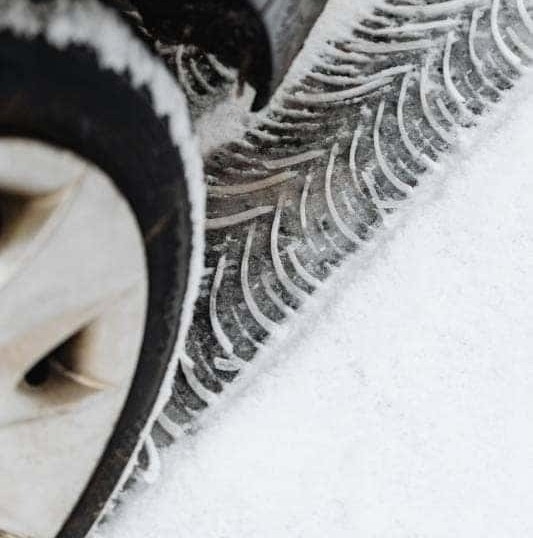
Winter tire treads also feature deeper grooves and more aggressive biting edges specifically designed to push snow and slush away from where the rubber meets the road. This directly translates to better safety and the peace of mind to tackle winter roads without second-guessing every turn.
When to Switch to Winter Tires (and Back Again)
The 45°F Rule for Mahoning Valley
The 45°F mark is where winter tire compounds stay flexible while all-season tires start losing their edge. In Mahoning Valley, temps stay below this point from November through March, giving you a clear timeframe when winter tires will outperform everything else.
When daytime highs consistently stay under 45°F and nighttime temps hit the 30s, your winter tires will beat all-seasons even if no snow has hit yet. This temperature approach works better than waiting for that first storm. Every year, plenty of drivers wait for the first snow, only to learn the hard way, by sliding through an intersection or scrambling for appointments when every tire shop is already backed up.
Optimal Timing for Seasonal Tire Changes
Get your winter tire installation scheduled between late October and early November, before everyone else panics. Call #1 Cochran Honda Boardman in early fall to lock in your appointment and skip the November madness when service centers get slammed.
Switch back to your regular tires when temps consistently stay above 45°F, which usually happens in late March or early April around northeastern Ohio. Don’t run winter tires in warm weather, you’ll chew through tread and hurt your gas mileage. One thing to expect: you might see TPMS warning lights after switching wheels. Usually, this just means the sensors need a reset, not replacement. Our service team handles this during installation.
Types of Winter Tires Available for Honda Vehicles
Studless Ice and Snow Tires
Studless ice and snow tires are the go-to choice for most Honda owners because they deliver outstanding cold-weather traction while staying quiet and comfortable on the road. These tires get their grip from advanced rubber compounds and smart tread designs instead of metal studs, which means excellent performance on ice, snow, and cold pavement without tearing up roads or creating noise.
Bridgestone Blizzak models are standouts here. The Blizzak LM-80 EVO scores 9.6/10 for traction and 9.5/10 for handling on Honda CR-Vs, with 8.5/10 for durability. Michelin X-Ice Snow balances exceptional tread life with ride comfort, frequently lasting longer than competitors while keeping their grip. These work perfectly with your Honda’s stability control and ABS systems.
Performance Winter Tires
Performance winter tires target Honda drivers who want sharp handling and sporty feel even when it’s freezing out. These feature stiffer sidewalls and tread patterns tuned for quick steering response and stability at highway speeds on cold, dry pavement while still delivering solid snow and ice performance. Perfect for Civic Si or Accord Sport owners who love spirited driving regardless of season.
Continental VikingContact models excel in this category, providing excellent snow and ice grip plus stability on wet and cold dry surfaces. Performance winter tires might give up some deep snow ability compared to traditional winter options, but they offer well-rounded winter performance for drivers who mostly see plowed roads instead of backcountry routes.
Studded Winter Tires (Where Legal)
Studded winter tires use metal studs embedded in the tread to bite into ice for maximum traction on the most dangerous surfaces. These dominate in severe ice but bring downsides like extra road noise and potential pavement damage. Ohio allows studded tires from November 1 through April 15, so they’re legal for Mahoning Valley drivers during winter’s worst months.
Most Honda owners find that today’s studless designs provide plenty of grip without studs’ drawbacks. Only consider studded options if you regularly face brutal ice conditions or frequently drive on untreated rural roads. The team at #1 Cochran Honda Boardman can help you figure out if studded tires match your actual driving needs.
Matching Winter Tires to Your Honda Model
Best Options for Honda Sedans (Civic, Accord, Insight)
Honda sedans like the Civic, Accord, and Insight have common traits that shape winter tire choices. These lighter, front-wheel-drive cars need winter tires that emphasize precise steering, strong braking performance, and good fuel efficiency.
Civic owners should focus on tires sized correctly for their specific year and trim. Common sizes include 205/55R16 for base models and 215/50R17 for sport versions. Tests on a Honda Civic showed that winter tires cut the 40 mph-to-zero snow braking distance from 184 feet to 156 feet, with narrower winter tires achieving 147 feet, roughly 20% better stopping power.
Accord drivers typically need bigger sizes like 225/50R17 or 235/40R18 depending on trim level. Insight hybrid owners should look for low rolling resistance options that protect the car’s impressive fuel economy even during winter. Honda OEM tires designed specifically for these models guarantee perfect compatibility, though quality aftermarket brands like Bridgestone Blizzak and Michelin X-Ice Snow perform excellently at competitive prices.
Winter Tire Recommendations for Honda SUVs and Crossovers
Honda’s SUV and crossover family needs winter tires built to handle extra weight and different driving scenarios. CR-V, Pilot, and Passport models benefit from tires with reinforced sidewalls and tread patterns made for light truck use. These vehicles’ available all-wheel-drive systems work together with proper winter tires to deliver solid traction across tough terrain.
CR-V owners usually need sizes from 225/65R17 to 235/60R18 based on generation and trim. For better winter performance, think about dropping to 17-inch wheels, which lets you run popular sizes like 235/65R17 that boost snow ability. Pilot and Passport models use larger dimensions including 245/50R20 and 245/60R18.
Whether you’re hauling the family through a blizzard or navigating slushy parking lots during holiday shopping, the right winter tire set of 4 completely transforms your Honda SUV’s winter ability. Talk with our service advisors about honda winter tires package options that include wheels for easy seasonal swaps.
Installation, Storage, and Maintenance Essentials
Wheel Package Options vs. Tire-Only Purchases
Deciding between buying tires mounted on dedicated winter wheels versus putting winter tires directly on your current wheels makes a huge difference in convenience and long-term value. A complete Honda winter tires package with wheels allows quick seasonal changes without constantly mounting and dismounting tires, which reduces wear and eliminates rebalancing headaches every time you switch.
Dedicated winter wheel packages also let you choose cheaper steel wheels or lightweight alloy options sized right for winter use. The upfront cost pays off through lower installation labor over multiple seasons. Our team at #1 Cochran Honda Boardman offers both approaches and can crunch the numbers to show which delivers better value for your situation.
Caring for Your Winter Tires Between Seasons
Smart off-season storage extends winter tire life and keeps them performing when you need them again. Store tires somewhere cool and dry, away from sunlight, heat sources, and equipment that generates ozone. Clean tires thoroughly before storage to remove brake dust, road salt, and grime that can break down rubber over time.
Stack tires flat if storing without wheels, or hang them separately if mounted on rims. Lots of Honda owners love the convenience of seasonal tire storage services at dealership service centers, which eliminates garage space problems. Storage gets especially tricky for apartment dwellers in Boardman and Youngstown who don’t have garages, ask about our storage solutions when you schedule installation.
Check tread depth regularly using the penny test to know if your tires have reached the legal minimum. Stick a penny into tread grooves with Lincoln’s head upside down. If you see the top of his head, tread depth has dropped below 2/32 inch and tires should be replaced immediately. For winter driving, use the quarter test instead. If you see the top of Washington’s head, your tread has dropped below the 4/32 inch minimum recommended for winter safety
Understanding the Investment: Costs and Value
Winter tire prices swing widely depending on brand reputation, tire size, performance features, and whether you’re buying tires alone or complete wheel packages. Plan to spend several hundred dollars for a quality winter tire set of 4 that fits your Honda properly. This is a real upfront expense, but you get returns through better safety and longer life from your all-season tires.
Look at the whole picture when weighing costs. Professional installation ensures proper mounting, balancing, and TPMS sensor setup. Many drivers discover that snow tires cost less long-term than dealing with insurance deductibles or getting stuck in dangerous spots. The confidence knowing your Honda can handle whatever Mahoning Valley weather delivers adds value that’s tough to measure but impossible to ignore.
Get Winter-Ready at #1 Cochran Honda Boardman
Don’t wait until the first snowstorm forces you into panic tire shopping. Contact #1 Cochran Honda Boardman today at 330-886-4457 or visit us at 448 Boardman-Canfield Rd in Youngstown to discuss your Honda’s winter tire requirements. Our experienced service advisors understand local winter conditions and can suggest the perfect tire solution for your specific model, driving style, and budget.
We provide complete winter tire services including expert consultations, competitive pricing on honda tires for sale from top manufacturers, professional installation with proper balancing and alignment, plus convenient seasonal storage options. Our service department runs Monday and Thursday 10am-7pm, Tuesday-Wednesday and Friday 10am-6pm, and Saturday 10am-4pm, making it simple to schedule installation when it works for you.